

The Darkest Genre in Gaming Nobody Talks About Enough
Limbo, Inside, Little Nightmares, Reanimal. A love letter to atmospheric horror puzzle-platformers — and why this genre hits harder than anything else.

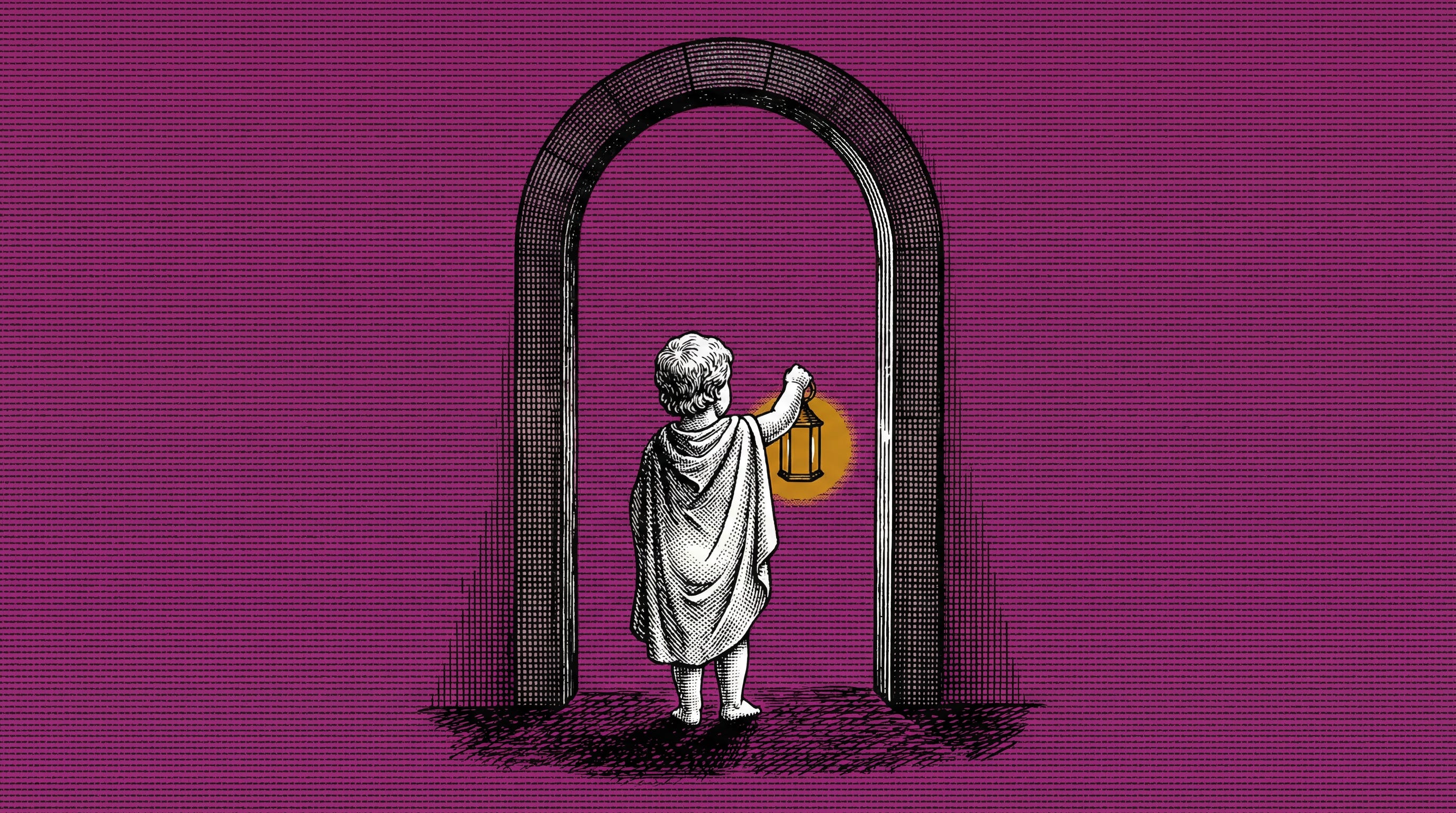
I started playing these games in 2023 and my relationship with “fun” has never been the same.
There is a specific genre of game -- let’s call it “side-scrolling atmospheric horror puzzle-platformers with silent protagonists and environmental storytelling” -- that does not care about your comfort. No hand-holding tutorials. No backstory monologue. No comforting UI. You are small, the world is enormous and hostile, and good luck figuring out why.
The games are Limbo, Inside, Little Nightmares I and II, and most recently Reanimal, which dropped in February 2026.
They are not for everyone. But if they are for you, they will rewire how you think about storytelling, atmosphere, and what a game can be.
My Personal Timeline
Here is how I stumbled into this rabbit hole:
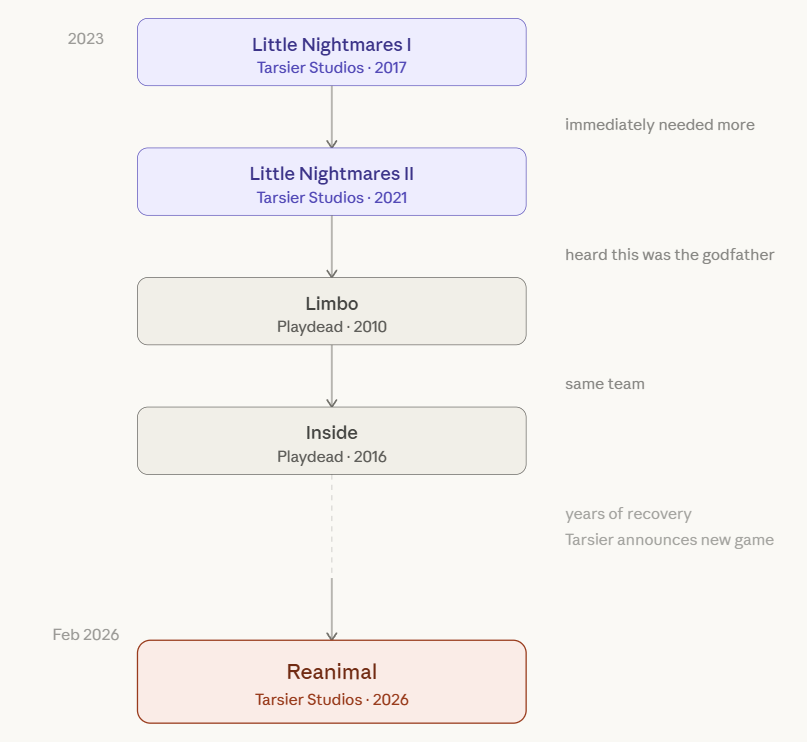
I found Little Nightmares first, which is probably the wrong order. It is like watching The Dark Knight before Batman Begins -- it works, but you are missing context. If you are starting fresh, go Limbo, Inside, LN1, LN2, then Reanimal. Chronological by release date and by increasing emotional devastation.
What Even Is This Genre?
Playdead, a Danish studio, made Limbo in 2010 and Inside in 2016. Dark, monochrome, political, existential. Tarsier Studios, out of Sweden, made Little Nightmares I in 2017 and II in 2021 -- grotesque, child-nightmare logic, body horror lite. Tarsier then left the LN franchise and made Reanimal in 2026, their spiritual successor, now with co-op and a Mature rating they clearly wanted for a while.
All five games share the same DNA. Silent protagonists with no dialogue or exposition dumps. Side-scrolling or 2.5D perspectives where you are always watching from the side, like peering into a diorama. Environmental storytelling where the world tells you what happened instead of a cutscene. Protagonists who are tiny and powerless, because the entire design philosophy is built on hide-and-seek rather than combat. And every single one of them is dark as hell.
The Games
Limbo, 2010
A boy wakes up at the edge of hell, searching for his sister. That is all you are told.
Limbo is black and white. Aggressively, philosophically black and white. The silhouette of your character against the grey forest feels less like a game and more like a woodcut from a Grimm fairy tale that nobody cleaned up for children.
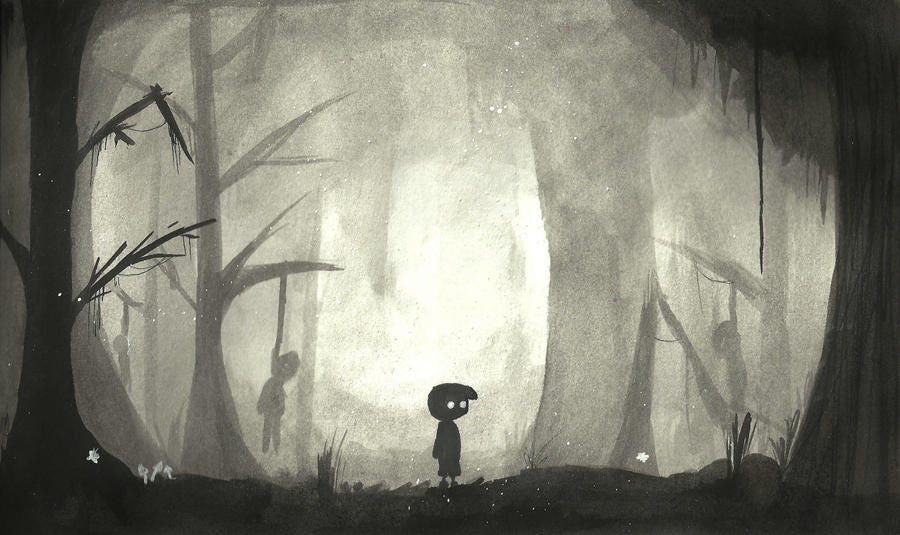
The sound design is the real horror. Composer Martin Stig Andersen deliberately avoided anything that sounded like a video game. He pulled from old films to build a unified soundscape where music and effects are indistinguishable. There is no separate “background music.” It is one audio organism. You feel the forest before you see what is in it. The ambience shifts slightly before a threat appears. The game is breathing at you.
The spider. God, the spider. In the first section, you are stalked by a giant spider with legs that move like something designed to make humans feel specifically wrong. The game teaches you its rules fast -- you do not win by strength here. You trick the spider using the environment. You use its own aggression against it. Every puzzle is built on the gap between your size and everything else’s.
Some read Limbo as the boy trapped in purgatory, endlessly searching, never arriving. The ending loops back to where you started. Others read it as him processing his sister’s death inside a dream. Playdead never confirmed either reading, and that is not a cop-out -- it is a feature. The ambiguity is the story. The game gives you exactly enough to feel the weight of loss, then stops short of explaining what the weight is. You fill it in yourself.
Seventeen years later, Limbo still holds up because it trusts you. It does not explain. It does not comfort. It gives you a child-shaped silhouette, a hostile world, and respects your intelligence enough to let you feel your way through the dark.
Inside, 2016
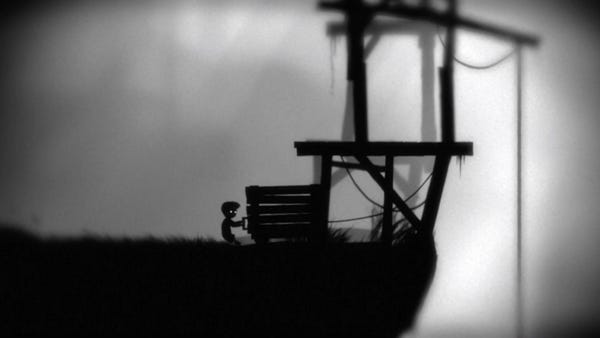
A boy in a red shirt is running from armed men through a dystopian countryside. You do not know why. You keep running.
Inside takes everything Limbo did and makes it stranger, weirder, and far more politically loaded. It borrows German Expressionist film lighting -- the same technique Fritz Lang used in Metropolis in 1927 -- to frame a story about bodies, control, and what it means to be free.
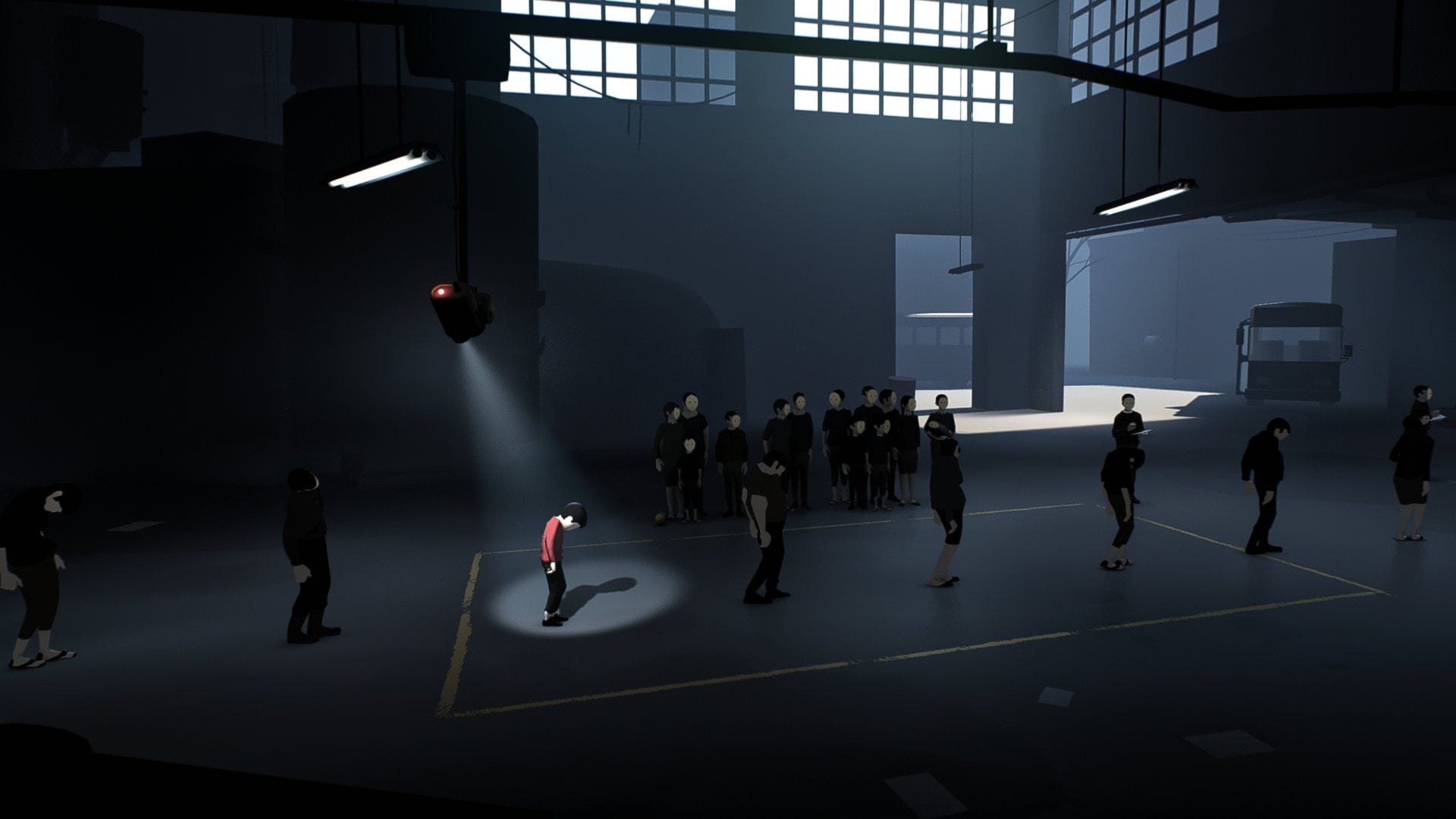
The camera is where Inside becomes something special. The game is 2.5D, meaning the world is fully three-dimensional but you move in one direction. The camera constantly adjusts angle to create cinematic framing. You will be running left and suddenly it rotates so you are running toward it while something chases you from behind. This is not showing off. It isolates you, makes you feel watched, builds the specific dread of not knowing what is behind you. There are moments where the camera pulls back so far you are a tiny red speck in an enormous industrial space. That distance is deliberate.
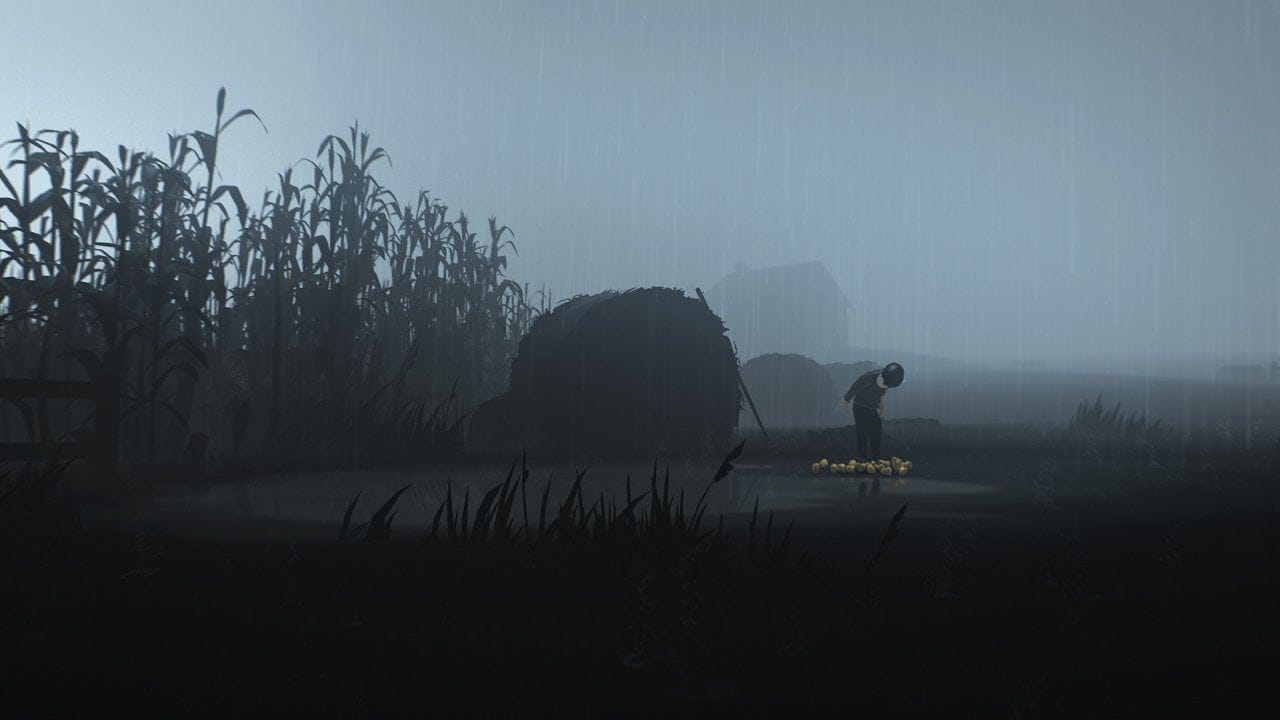
The mind-controlled workers are the detail that gets me. Mid-game, you find a device that lets you control the zombie-like workers around you. You use it without question because the game told you to. You march them off ledges. You use their bodies as tools. You are doing to them exactly what the people chasing you are doing to you. The game never calls this out. It just lets you do it.
Then there is the Huddle. This is what Inside is most famous for, and I will not fully spoil it. The final act involves a mass of fused human body parts that you control. When you think about what you have been doing the entire game -- entering facilities, controlling bodies, following a linear path designed by someone else -- the ending recontextualizes everything. You were not the hero escaping the system. You were the system’s most efficient product. The whole game is about a boy following a trail someone laid out for him, thinking he was escaping. And you, the player, followed it too.
The sound design was made using bone conduction through an actual human skull. Not a joke. Martin Stig Andersen processed certain audio frequencies through a real skull. The result is a score that sounds viscerally wrong in a way you can feel but not name. Your body reacts before your brain does. The boy’s breathing changes depending on location -- calm in safe zones, panicked when hunted. That level of physiological detail, where the protagonist’s nervous system is wired into the audio engine, is the kind of thing you notice after you stop playing and realize the game was manipulating yours the entire time.
Little Nightmares I, 2017
Six, a tiny girl in a yellow raincoat, wakes up inside The Maw -- a massive underwater vessel full of grotesque guests who want to eat her.
Little Nightmares hits differently from the Playdead games because it is not monochrome. It is full color. A sickly, beautiful palette of rust, bile yellow, and dim lamplight. Instead of political horror, it goes straight for childhood nightmare logic.
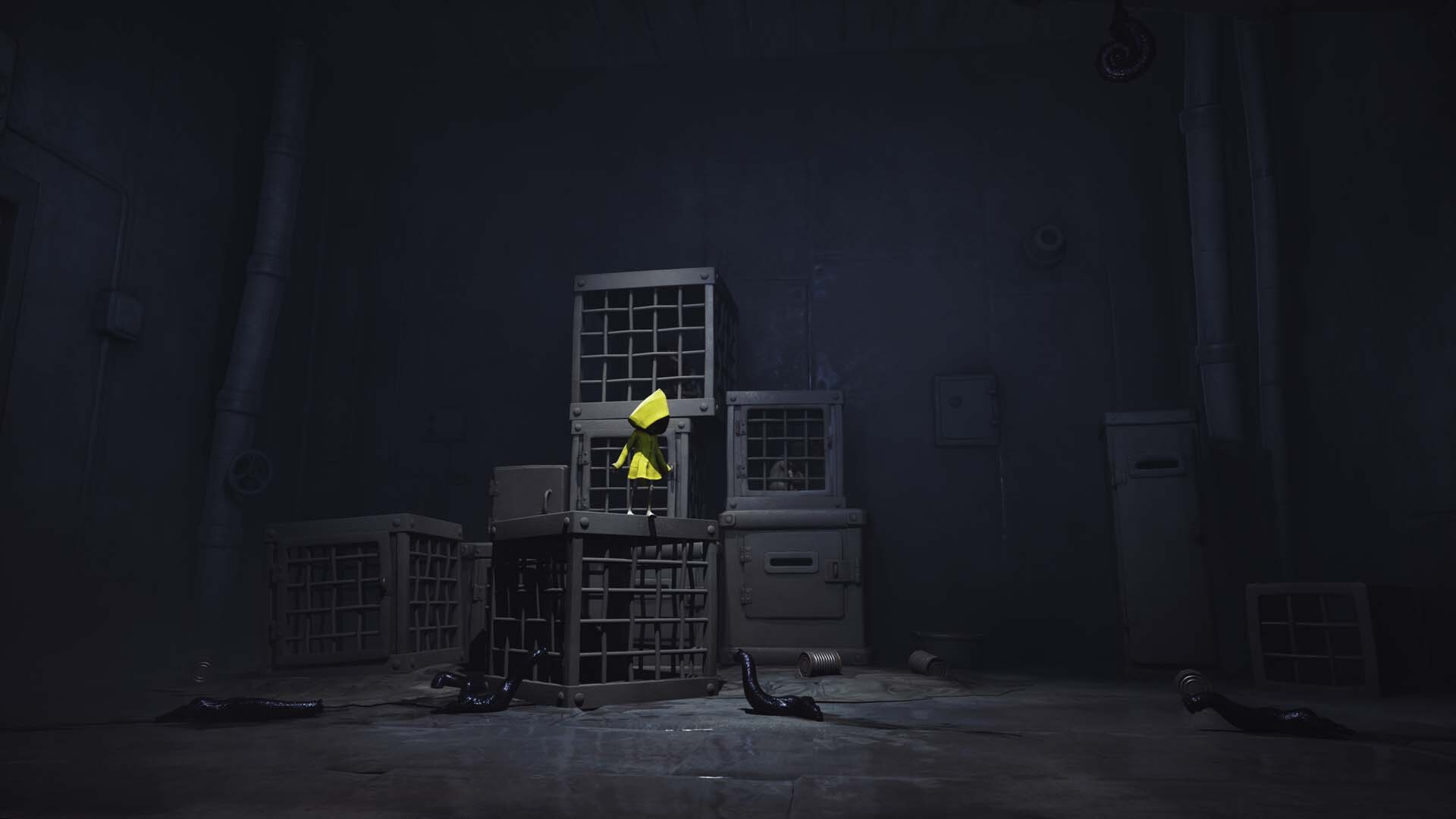
The enemies are not designed to be scary in a conventional way. They are designed to tap into something pre-verbal. The Janitor, a thin long-armed man who cannot see but finds you anyway, moves like a daddy-long-legs that learned to walk upright. The arms are too long. The body is too thin. The sound of him shuffling through the dark is the specific sound of something that should not exist. The Chefs are enormous, sweaty, and vaguely Dad-shaped. The Guests are bloated, ravenous, and they eat everything including each other.
What these enemies represent matters. The game was originally titled Hunger, and every villain in LN1 embodies a specific kind of power. The Lady -- the final boss -- represents vanity and soul-draining control, draining the life force of guests to sustain her beauty. The Chefs represent labor and production, the machinery of appetite. The Guests represent consumption and excess, the audience that enables all of it.
Six herself is not innocent. There is a “Dark Six,” her shadow self, who appears specifically whenever Six eats. The game is tracking her moral decay. She eats a rat early on because she is starving. By the end, she eats the Lady. Survival transforms you, and not into something clean.
The camera is third-person over-the-shoulder but always at a slight remove. You are never close to Six. You are watching her from a distance, like through dirty glass. This creates the feeling of watching a nightmare rather than being inside one. You care about Six because she is tiny and alone, but the distance prevents it from becoming cozy.
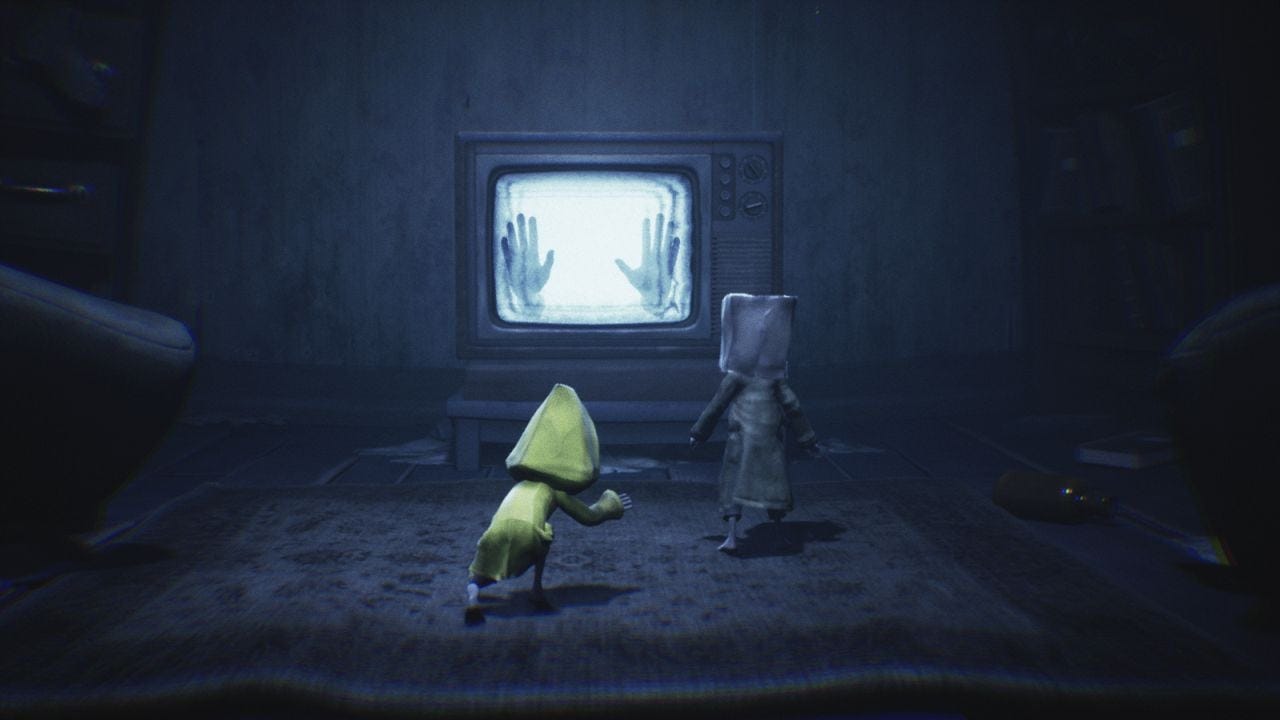
The Maw itself is a triumph of environmental design. The developers described it as a place “where all the worst things in the world could be left to rot.” A ship that sails to ports and lures people in with food. The metaphor of a cruise ship of excess that feeds on souls lands differently depending on how charitable you are feeling about humanity at the time.
Little Nightmares II, 2021
Mono, a boy with a paper bag on his head, escapes a forest and joins Six in navigating a city controlled by a signal broadcast from a tower.
LN2 is a prequel to LN1. You do not know this until the end. The end is devastating.
The villain structure is more sophisticated than its predecessor. Each level has a different boss representing a distinct real-world nightmare. The Hunter represents rural, isolated abuse -- a man who stuffs children in cages. The Teacher represents institutional control, stretching her neck across the room to catch you because she does not need to move her body when the system does the reaching for her. The Doctor is a bloated, spider-walking man in a hospital full of mannequin-people. And then there is The Thin Man -- Mono himself, from the future. A time loop villain who exists because the story has to happen.
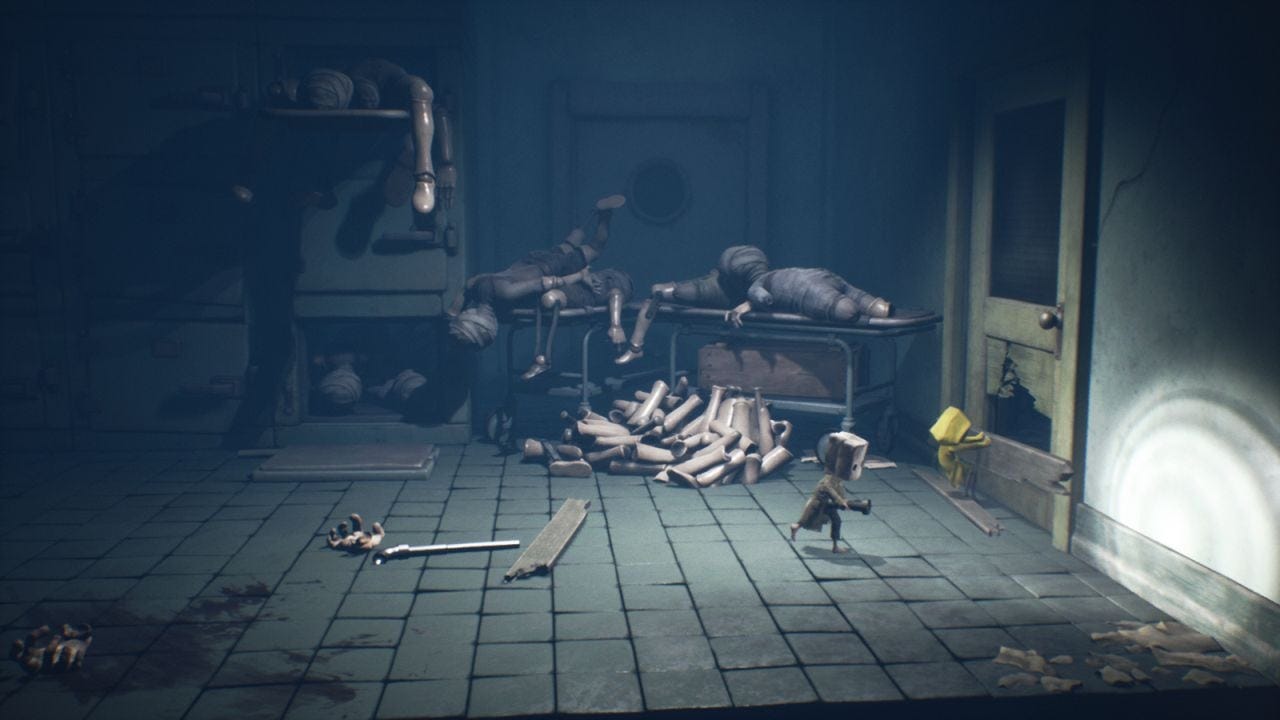
That last one has stayed with me longer than anything else in these games. The Thin Man is what Mono becomes after Six drops him into the Signal Tower at the end. Six drops him because she has learned through her entire journey that survival means letting people go. She absorbed this from her own trauma with the music box, which Mono accidentally destroyed. When Mono shatters the thing that gave Six comfort, she cannot forgive him -- not consciously, but in the way trauma works, stored until the moment it matters. She drops Mono the same way she later eats the Lady in LN1. The game is saying something plain and terrible: this is what this world does to children, and what children do to each other because of it.
Mono’s name means “one channel, one direction.” Mono audio. The game’s aesthetic is drenched in 1950s television. The Pale City looks like a postwar urban nightmare, flickering with screens. The Thin Man looks like an old Hollywood agent. Children watching TV, dreaming of the city, getting chewed up by it. Pull one thread and the lore keeps unraveling.
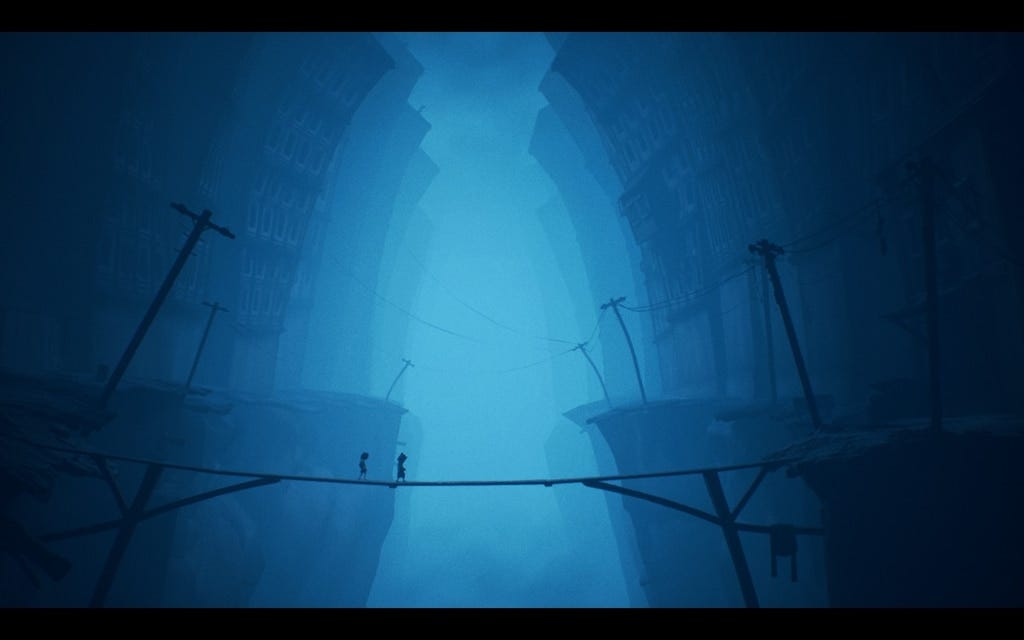
The city sounds like a dying television signal. Static, distortion, the hum of the Broadcast that zombifies adults into walking toward the tower. Adults in this game are not predators chasing you because they are hungry. They are addicted. They walk off buildings trying to get closer to the signal. The commentary on media addiction is about as subtle as a building full of people walking off its roof -- which is to say, not subtle at all, and absolutely correct.
Reanimal, February 2026
A brother and sister return to an island that used to be their home and find it has become something else entirely. Their friends are missing. Everything is trying to kill them.
Reanimal is Tarsier after Little Nightmares. Bigger budget, Mature rating, and a thesis about something they could not explore before: fear is scarier when you are not alone.
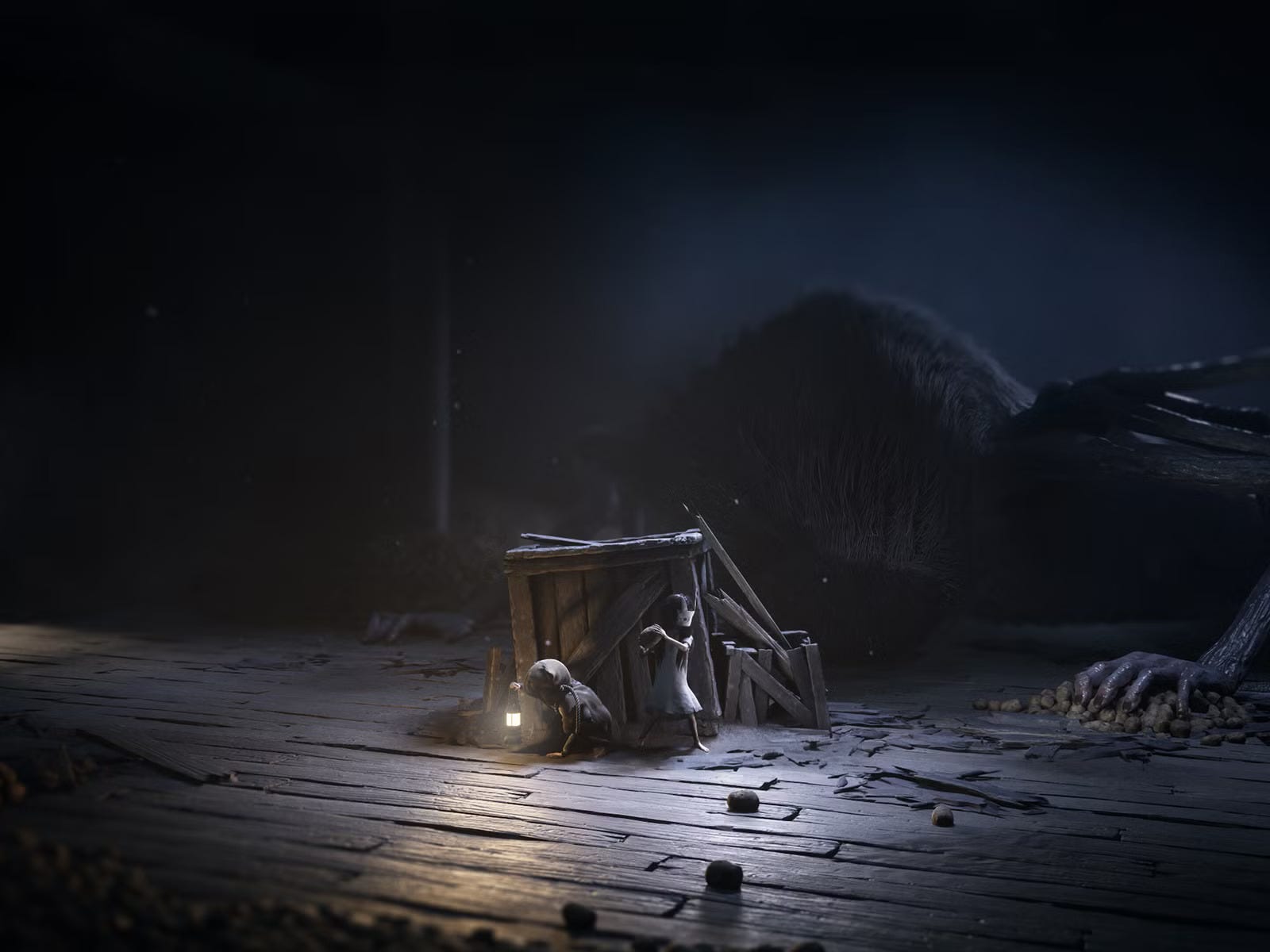
This is the first co-op game in this genre I have loved. The co-op is not bolted onto a solo experience. The entire design is built around a shared, directed camera that keeps both players in frame at all times. You cannot wander off. You are tethered by the camera itself, and the claustrophobia is architectural. When my co-op partner and I were both frozen, too scared to move, staring at something in the distance, the game let us stay there. No timer. No rush. The sound design lets silence do the work.
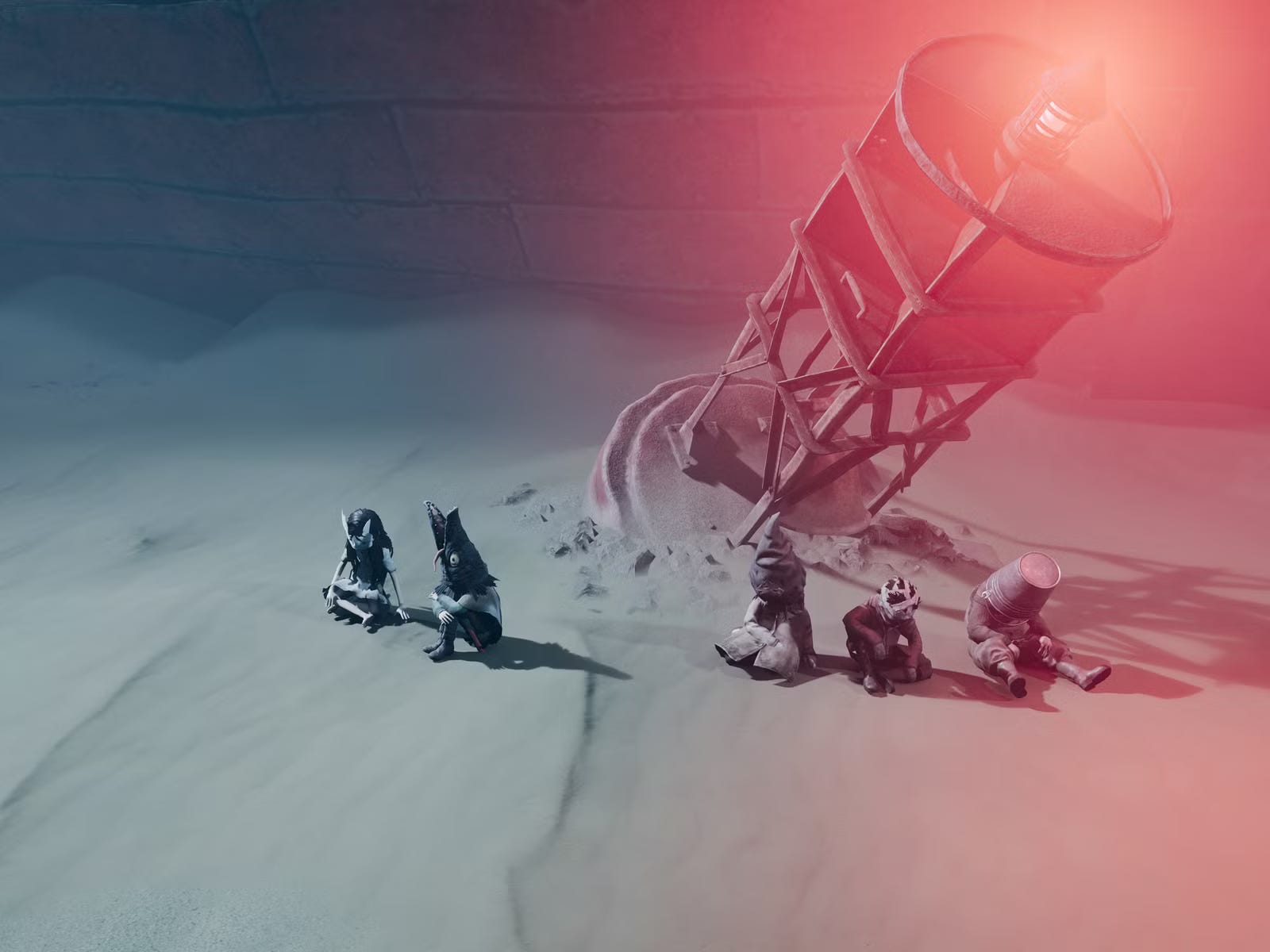
The monsters are body horror in a way the LN games gestured at but never fully committed to. Human skin hanging to dry. Giants emerging from corpses. The game earns every inch of its Mature rating, having made the jump from “nightmare logic” to “this is medically disturbing.”
The fragments of the children’s past are used directly in monster design. Tarsier confirmed this -- the creatures tormenting you are built from the protagonists’ own trauma. The island’s horror is not random. It is personal. The specific things that hurt these children became the things that now hunt them. Horror movies wish they had this level of psychological specificity.
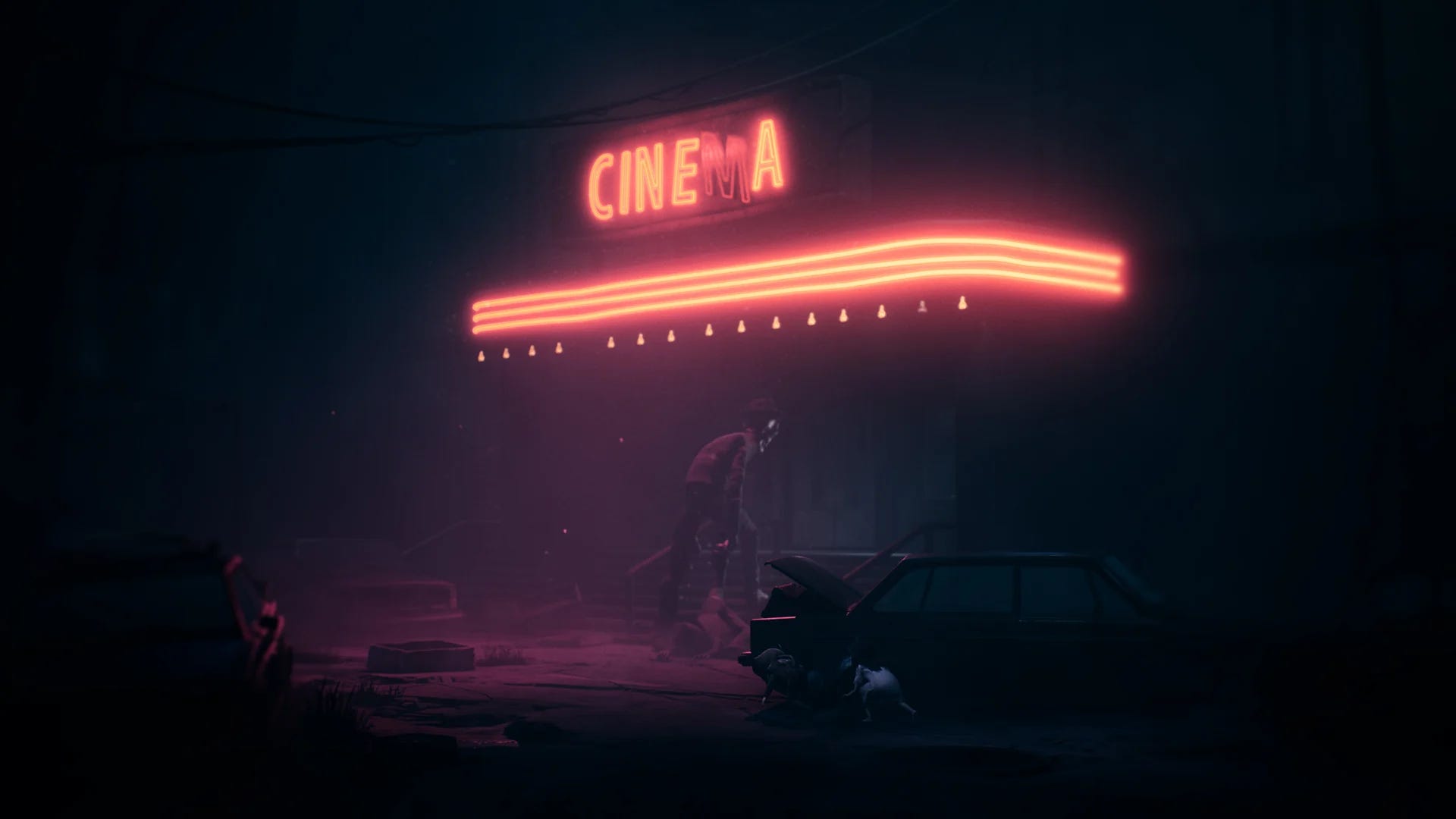
Reanimal had over a million wishlists before launch, which means the Tarsier fanbase was ready and waiting. People who loved Little Nightmares followed the studio here without hesitation. The game launched February 13, 2026. I played it almost immediately.
Where Little Nightmares was about a child alone in a hostile world, Reanimal is about two children facing that world together. The game’s honest answer is: yes, having someone helps. And that makes the horror worse, because now you have something to lose.
What These Games All Share
Four craft elements run through all five games, and they are the reason I keep coming back.
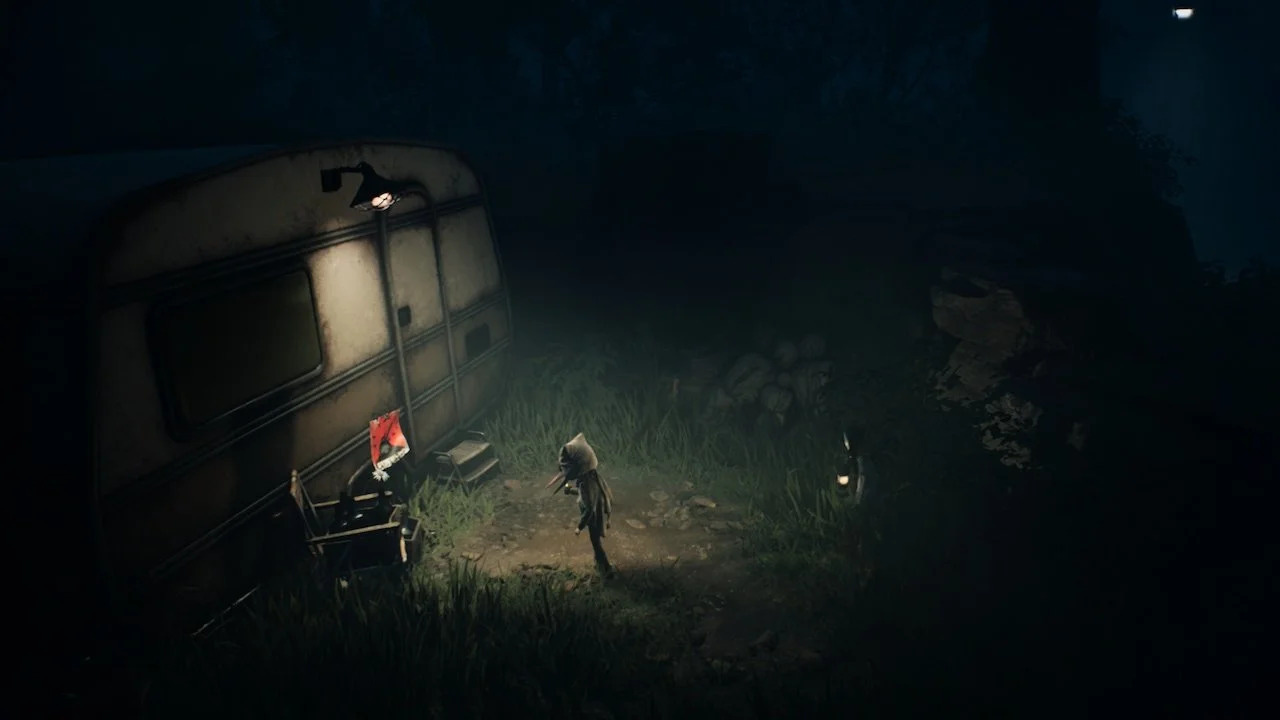
1. The size ratio is doing everything. In every single one of these games, the protagonist is small. The environments and enemies are enormous. This is not aesthetic -- it is a design philosophy. You cannot win by fighting. You can only observe, hide, and be clever. The game is structurally telling you that you are not powerful, you are perceptive. Most games hand you increasing power over time. These games keep you small throughout. The final boss of Little Nightmares does not become easier because you got stronger. Six wins because she has been watching and waiting for one specific vulnerability.
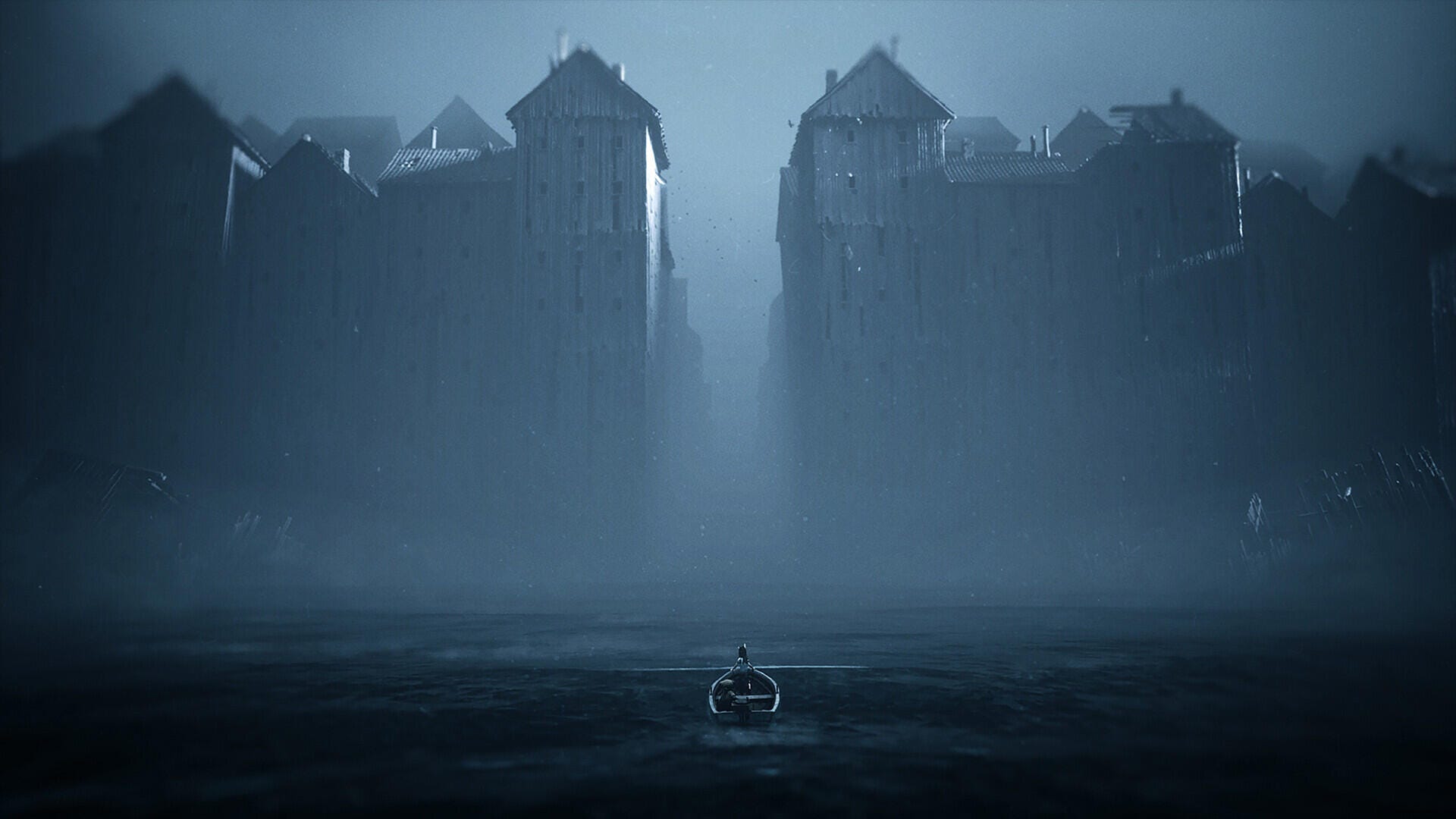
2. The camera is always doing narrative work. None of these games have a neutral camera. Limbo uses silhouette framing -- form without detail, like a child’s nightmare. Inside uses German Expressionist angles where shadows swallow the frame. Little Nightmares keeps you at a voyeuristic remove, like watching through glass. Reanimal’s shared camera is a design constraint that creates co-op tension by making separation physically impossible. In every case the camera is not a tool, it is a collaborator. It is the most important character in the game.
3. Sound is the actual horror. All five games understand that the scariest sound is what you hear before you see anything. The distant ice cream truck music in Reanimal. The hum of the Broadcast Tower in LN2. The ambiguous noise in Limbo’s forest that might be the spider or might be nothing. None of these games lean on jump scares as a primary tool. They use dread -- the sustained, specific, mounting certainty that something is wrong. Your body reacts before the game confirms anything.
4. The villains are systems, not monsters. The scariest thing about every villain in these games is that none of them are evil for evil’s sake. They are the logical endpoint of something recognizable. Greed. Vanity. Institutional control. Media addiction. Trauma made physical. The horror is not that something unknowable is chasing you. The horror is that you understand exactly how it got here. You just do not know how to stop it.
My Honest Ranking
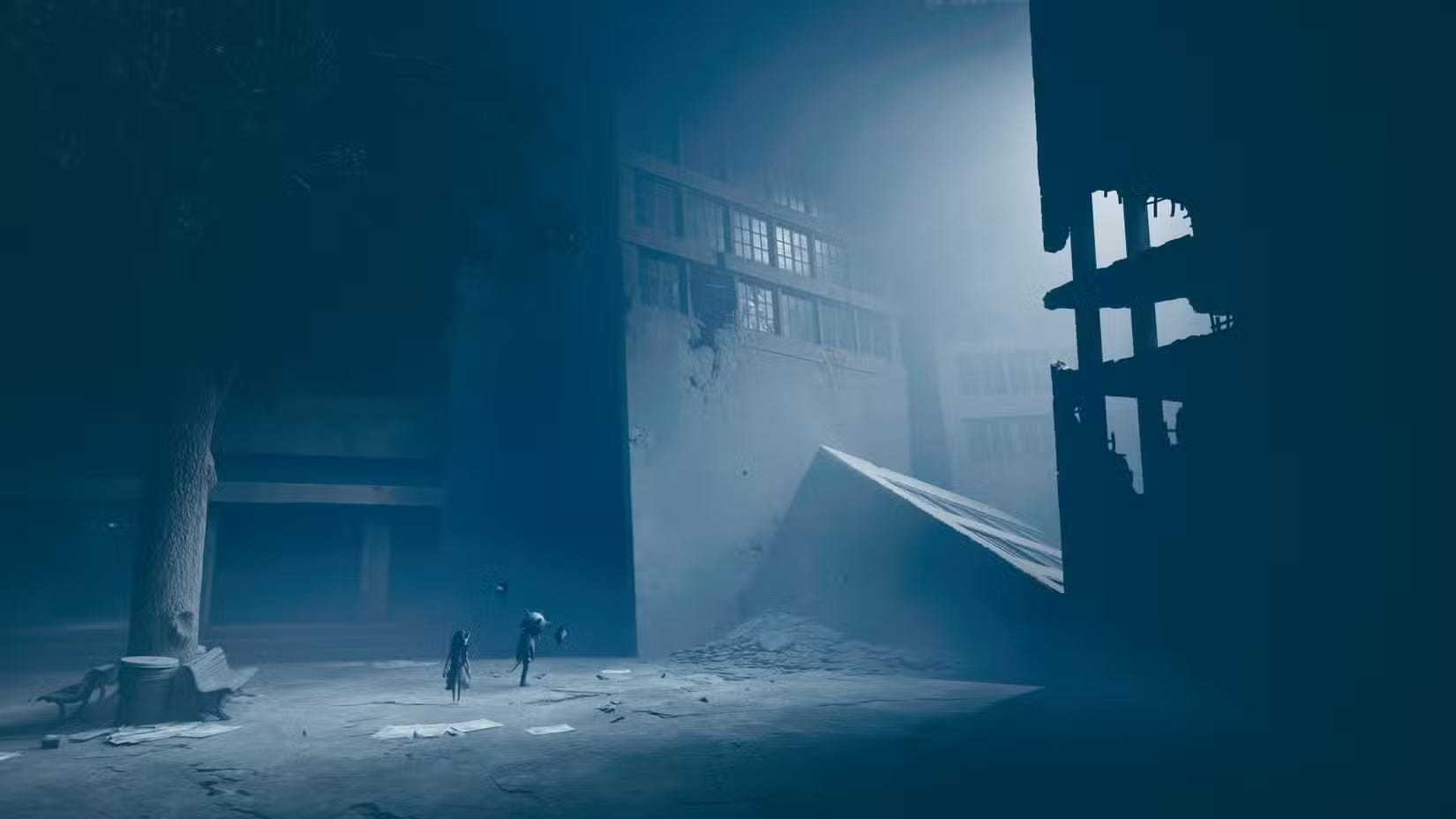
Inside. Structurally the most sophisticated. The ending is the argument. Everything before it is evidence.
Little Nightmares II. Emotionally the most devastating. The Thin Man reveal broke me.
Reanimal. The most terrifying moment-to-moment. Playing co-op made certain scenes actively traumatizing in a way solo horror never achieves.
Little Nightmares I. The most beautiful. The Maw is a masterpiece of environmental design, and every inch of it is deliberate.
Limbo. The most elegant. Seventeen years old and still holds up. The spider scene still works on me.
Who Should Play These Games
These games are for you if you love atmospheric horror but hate jump scares, if you enjoy games where the story is a puzzle rather than a monologue, and if you appreciate design where theme and mechanics are genuinely the same thing. They each take three to six hours to finish -- short enough to complete in a weekend, long enough to stay with you for years. If you want to feel genuinely unsettled for days after the credits roll, this is your genre.
A word of caution: if you are sensitive to body horror, approach Reanimal carefully because it escalates fast. And if ambiguous endings frustrate you, know going in that these games trade resolution for resonance. The stories do not wrap up neatly. They leave you with questions that feel more valuable than answers.
If you need explicit story beats to feel satisfied, if you want combat and power progression, or if you play games primarily to relax -- these are not your games. That is not a judgment. These five titles ask for a specific kind of attention, and they repay it with a specific kind of experience. Not fun, exactly. Something that stays.
Games covered: Limbo (2010, Playdead) · Inside (2016, Playdead) · Little Nightmares (2017, Tarsier) · Little Nightmares II (2021, Tarsier) · Reanimal (2026, Tarsier/THQ Nordic)