

Forget Ranking #1 on Google. Time to Get Recommended by AI.
An actionable playbook on how to feed the AI a high-quality diet about your brand, so it naturally starts recommending you.


Let's talk about something that's been buzzing in the SEO world, but maybe not loud enough for everyone yet. You’ve felt it, right? That subtle shift in how you even look for answers online. Less keyword hammering into Google, more asking detailed questions to ChatGPT, Perplexity, or maybe even Grok if you're into that.
This isn't just a fad. It's the dawn of LLM SEO – Large Language Model Search Engine Optimization. And if you run a startup, a small business, or frankly, anyone wanting to be found online in 2025, you need to get your head around this, fast.
I'm not talking about getting on page one anymore. That's old thinking. In the world of AI assistants, the ultimate prize isn't ranking; it's recommendation. It's about making your brand so undeniably relevant and trustworthy that when someone asks a question in your niche, the AI points straight at you.
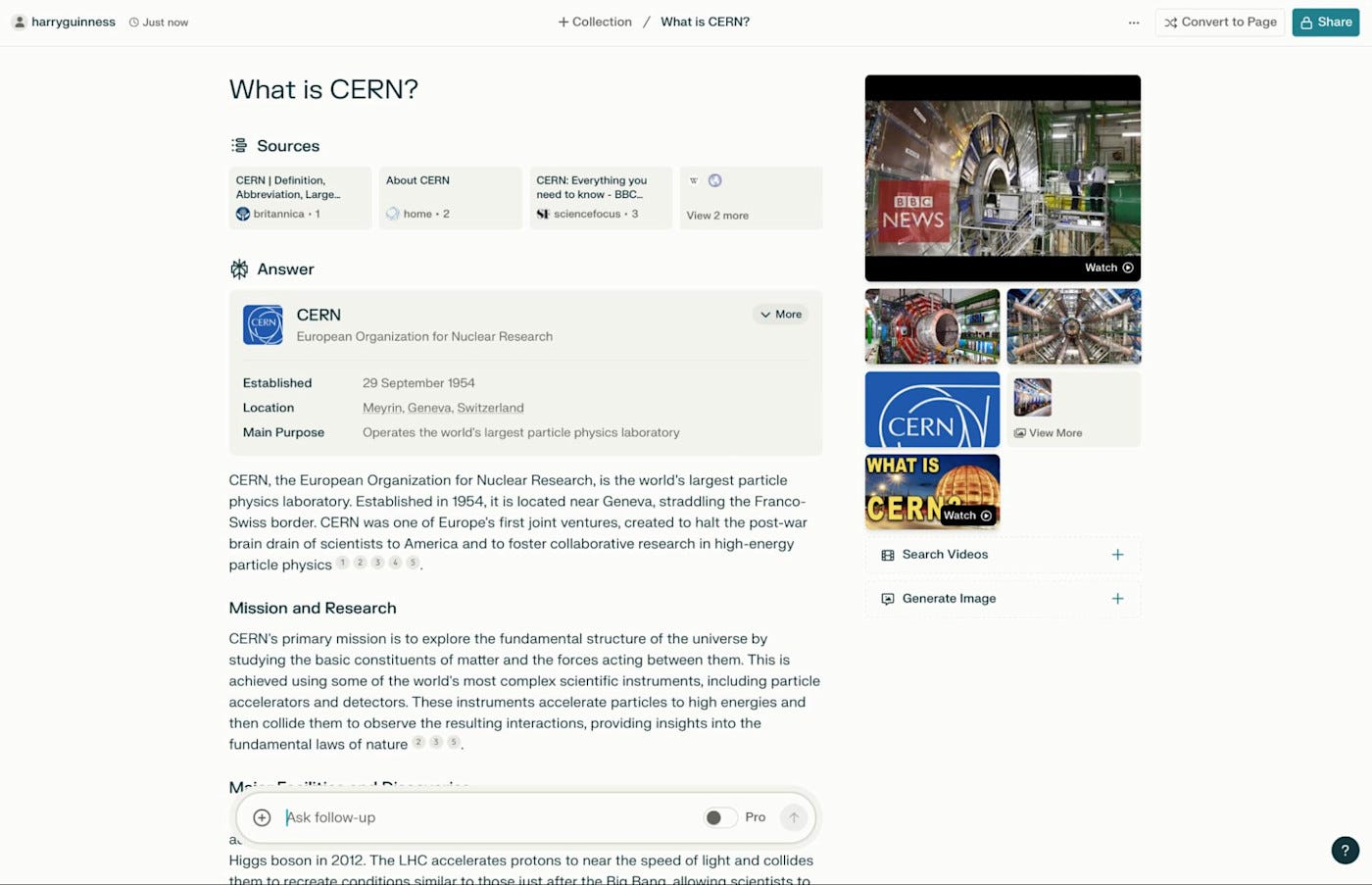
Sounds good? Thought so. I've been deep in the trenches figuring this out, and I'm going to lay out the exact playbook we're using – the principles, the nitty-gritty steps, and real examples – so you can do it too.
So, What Exactly Is This LLM SEO Thing? And Why Should You Care?
Think of LLM SEO as tuning your entire online presence to speak the language of AI. These Large Language Models (the brains behind the chatbots) are like hyper-intelligent researchers. They consume vast amounts of information from across the web to synthesize answers. LLM SEO is about ensuring the information they consume about you leads them to conclude you're the best answer for certain questions.
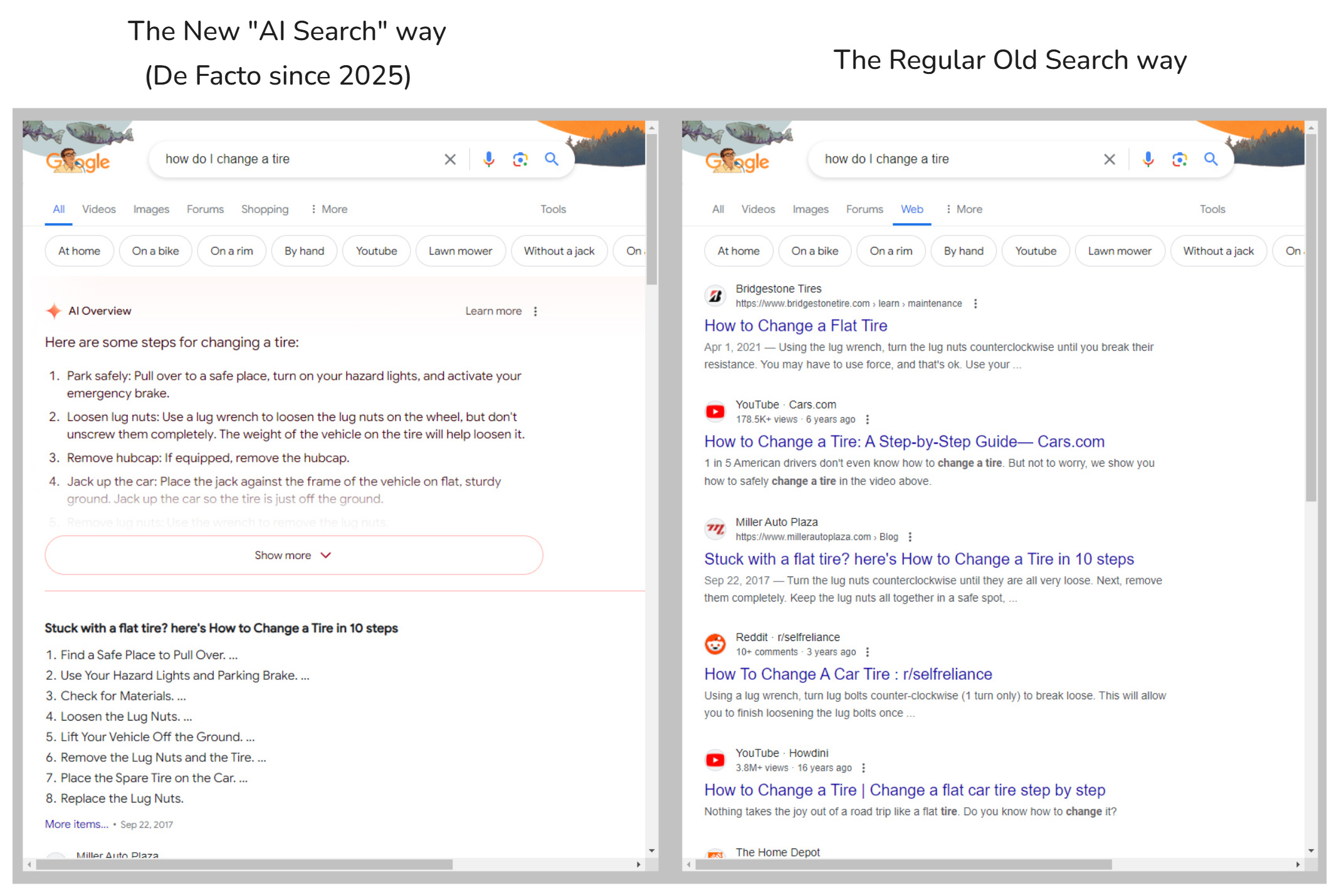
It's different from traditional SEO. Old SEO was often about keywords, links, and technical structure to climb a ranked list. LLM SEO is more about context, coherence, authority, and fitting into a conversational flow. Users don't just type "best CRM"; they ask, "What's the best CRM for a small sales team that needs easy automation features and integrates with Slack?" They then ask follow-up questions. LLMs handle this back-and-forth brilliantly.

Why is this hitting critical mass now? Because millions are already using these tools instead of Google for certain types of searches, especially complex research, comparisons, or learning about new topics. It’s becoming instinctual.
Is Google dead? Absolutely not. Don't ditch your traditional SEO efforts. Google still rules for local ("find coffee near me") and quick, direct searches. But for that meaty, informational, "help me understand this" type of query? LLMs are rapidly carving out their territory. And let's be real, Google's own AI Overviews are pushing search in this direction anyway. Mastering LLM SEO often gives your traditional SEO a boost too – it's all interconnected around quality and authority.
The 3 Unshakeable Pillars of LLM SEO Success
Getting recommended by AI isn't about tricks. It's about building a solid foundation based on how these models work. I've found it boils down to three core truths:
Think Prompts & Conversations, Not Just Keywords: This is fundamental. People talk to AI. They ask detailed questions ("prompts"). They refine their search through conversation. You need to optimize for these interactions. What specific questions are your ideal customers asking? What follow-ups are they likely to have? Your entire content strategy needs to anticipate this flow.
Become the Obvious Authority (Everywhere): LLMs are voracious readers. They scan everything: your site, yes, but also news articles, Reddit threads, LinkedIn posts, YouTube transcripts, industry forums, review sites. They look for brands mentioned consistently, positively, and authoritatively. Your job is to build that widespread reputation. Being "known" across the digital landscape signals trustworthiness to the AI. It's not just what you say, but what the web collectively says about you.
Be Insanely Coherent: This trips up so many businesses. If your website claims you're the best for SaaS startups, but an old directory listing says you serve dentists, and a random blog post mentions plumbers, the AI throws up its virtual hands in confusion. It sees inconsistency and flags you as potentially unreliable or unfocused. Your messaging – who you are, what you do, who you serve, your features, your pricing – must be rock-solid consistent everywhere. Audit yourself ruthlessly.
Let's Get Tactical: How to Actually Do LLM SEO
Okay, principles are nice. Let's talk execution.
Phase 1: Speak Their Language - Choosing Prompts
You absolutely must shift from a keyword mindset to a prompt mindset.
Old way: Target "project management software."
New way: Target "What's the best project management software for remote marketing teams under 10 people?" or "Compare Asana vs. Monday for agile workflows."
Why the shift? Because that's how real people use these tools. They provide context upfront to get useful answers and avoid the frustrating ambiguity of generic searches.
Finding your prompts:
Listen to your customers! What language do they use in support tickets or sales calls?
Dig into niche forums (Reddit, industry groups). What are the recurring questions and debates?
Use SEO tools but focus on long-tail question keywords. What intent lies behind them?
Brainstorm comparisons: "X vs. Y for [use case]," "cheapest alternative to Z," "easiest tool for [task]."
Ask the LLMs themselves! Query them about your competitors or industry problems. See what kind of prompts lead to interesting discussions.
Phase 2: Build Your Digital Echo Chamber - Brand Mentions
Remember, LLMs learn from the collective web. You need your brand to echo positively in the right places.
Where to focus: High-quality guest posts, features in industry news, active (and helpful!) participation in relevant forums, genuine positive reviews on trusted sites (G2, Capterra, etc.), a strong presence on LinkedIn/Twitter/X, informative YouTube content, mentions on partner sites.
It's about perceived authority: An LLM assesses your importance not by your bank balance, but by how often you're cited and discussed credibly online. Consistent, positive mentions build that perception.
Phase 3: Eliminate the Confusion - Information Coherence
I can't stress this enough. Inconsistency is the enemy.
Do a self-audit: Check your core messaging on your site, social profiles, directory listings, old blog posts, everywhere. Does it all align?
Update relentlessly: Pricing changes? New killer feature? Update that info everywhere, not just on your homepage.
Stay focused: Unless you truly are a massive, broad platform, don't try to be everything to everyone online. Clearly define your niche and expertise. Trying to vaguely appeal to everyone often results in appealing strongly to no one in the eyes of an AI.

The 7-Step Playbook I Would Use to Get Recommended by AI
This is the process I’d follow. It’s methodical, it takes effort, but it works because it directly addresses how LLMs gather and evaluate information.
Nail Your Homepage Message: First impressions count, even for AI. Your homepage needs to instantly communicate: What problem do you solve? For whom? Why are you the best choice? Use clear, natural language. (Think: "We help remote teams slash meeting time with AI summaries.")
Unpack Every Feature: Don't just list features. Give each significant one its own dedicated page. Explain its value, how it works, and who benefits most. This gives LLMs specific, structured data points about your capabilities. (Example: A deep-dive page on your "AI Meeting Summarizer" feature).
Show, Don't Just Tell (Use Case Pages): How does your product work in the real world? Create pages dedicated to specific industries, roles, or problems. Show potential customers (and the AI) exactly how you solve their specific pain points. (Examples: "How Marketing Agencies Use Our Tool to Improve Client Reporting," "Project Management for Non-Profits").
Become the Go-To Resource (Content Marketing): Your blog is your powerhouse for feeding LLMs context and demonstrating expertise. Focus heavily on:
Honest Competitor Comparisons: Seriously, write detailed posts comparing your tool to others. Talk features, pricing, pros, cons. Position yourself intelligently. LLMs love this structured comparison data.
Deep Dive Guides & Tutorials: Answer the "how-to" questions in your niche better than anyone else.
"Best Tool for X" Lists: Create valuable roundups where you can naturally feature your own product.
Structure is Key: Use clear headings (H2s, H3s), bullet points, maybe even tables. Make it easy for AI to pull out key information. Write comprehensively.
Be Active & Authentic on Social: Show up where your audience is (LinkedIn, Twitter/X, YouTube, Reddit). Don't just broadcast; engage. Share insights, answer questions, and participate genuinely. Make sure your YouTube transcripts are accessible – LLMs are watching and reading.
Cultivate Real Buzz (Non-Branded Mentions): Encourage happy customers to leave reviews. Foster community discussions. Earn genuine mentions from other creators or experts. This organic validation is gold for signaling trustworthiness to AI.
Earn Authority Signals (Backlinks & Mentions): Get your name mentioned and linked from credible sources. Think guest posts on respected industry blogs, features in online publications, partnerships, and digital PR. These are powerful third-party votes of confidence.
Why Would An LLM List You Anyway?
Landing a recommendation by any of these LLMs isn’t at all about luck. It is the direct result of executing those 7 steps consistently. The LLMs found clear info on our site, detailed feature pages, comparison blog posts ranking on Google, active social signals, and mentions elsewhere. Perplexity can also cite one of our YouTube videos, if you toggle a setting that allows AIs and LLMs to crawl your videos, proof that they consume multimedia content.
But here's the kicker: The user's journey rarely ends with that first recommendation. They'll ask follow-up questions – the "secondary prompts."
"Okay, but how does Tool X's pricing compare to Competitor Y?"
"Does it integrate directly with Software Z?"
"Is using a Tool A like this actually good for my business B?"
The 7-step plan already prepared you for these. The comparison blog posts handle the pricing question. The feature pages (or integration pages) detail CMS compatibility. Informational content addresses the SEO safety concerns. By building a deep, coherent knowledge base online, you're not just optimizing for the initial prompt; you're ready for the entire conversation.
How This LLM SEO Stuff Actually Works (The Punchline)
It boils down to this: AI models only know what we teach them through the web.
They are constantly learning, connecting dots, and evaluating sources. Your goal with LLM SEO is to be the best teacher about your specific niche and how your product fits into it. You do this by providing information that is:
Comprehensive: Cover your topic thoroughly.
Consistent: No contradictions.
Authoritative: Backed by evidence and third-party validation.
Helpful: Genuinely solves the user's underlying need.
Clear & Structured: Easy for both humans and machines to understand.
Feed the AI this kind of high-quality diet about your brand, and it will naturally start recommending you.
Stop Ignoring AI Search Today
Look, traditional SEO isn't going away tomorrow. But the tide is undeniably turning towards more conversational, AI-driven search experiences. Ignoring LLM SEO is like ignoring mobile optimization ten years ago – a potentially fatal mistake.
The users leveraging these AI tools are often engaged, curious, and ready to find real solutions. That's exactly who you want to reach.
Start implementing this playbook. Clean up your messaging, build out your content, and earn those authoritative mentions. Give the AI every reason to see you as the expert, the authority, the best recommendation. The conversational future of search is here. Time to make sure your voice is heard.
This feels like mobile optimization in 2010. Ignoring it now is choosing invisibility.
Here's the TL;DR version of this:
• Discovery has shifted from search engines to LLMs.
• AI recommendations rely on distributed consensus.
• Keywords alone no longer define visibility.
• Authority emerges from cross-platform consistency.
• LLM SEO is already a requirement.